
Handcrafted Accent Furniture from India: A Practical Guide for Buyers, Importers and Interior Designers
A practical guide for buyers, importers and interior designers sourcing handcrafted accent furniture from India, covering materials, finishes, MOQ and export‑grade packing.
Paul Henry
1/18/20262 min read
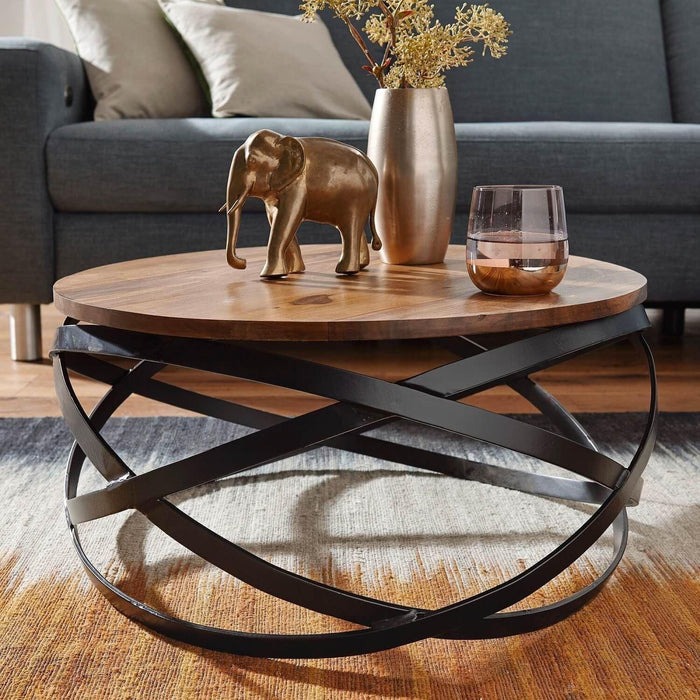
As someone who works closely with manufacturers and exporters of handcrafted accent furniture in India, I regularly interact with buyers, importers, wholesalers and interior designers who need consistent quality and reliable finishes. In this guide, I share practical points that overseas buyers should know about design, finishes and packing when sourcing accent furniture from India.
Tip 1 – Choose Accent Pieces That Add Value to the Space When you are buying or sourcing accent furniture from India, think about how each piece will add value to a living room, bedroom or hospitality project. Side tables, coffee tables, consoles and stools should not only look attractive in photos, but also be practical in terms of size, height and stability so that your end customer can use them comfortably.
Tip 2 – Understand the Materials Before You Place Orders Before confirming an order, it is important to understand whether the product is made in metal, wood, a mix of both or with upholstery. This helps you judge weight, durability and suitability for your market. Many international buyers prefer powder‑coated metal, seasoned wood and reliable hardware because these materials handle transit and different climates better. Materials and Finishes for Export Markets From my experience, international buyers prefer stable materials like powder‑coated metal, seasoned wood and reliable hardware to reduce issues during transit and in different climates. Good suppliers also focus on colour consistency, rust resistance and easy maintenance, which is especially important for projects, retail and hospitality interiors.
Tip 3 – Check the Finish Quality and Color Consistency For overseas buyers, one of the most common concerns is finish variation between samples and bulk orders. Always ask for clear photos or physical samples of finishes like matt black, gold, bronze, natural wood, dark stain, etc. Consistent finishes across multiple pieces are important for retailers, interior designers and project buyers who need the same look across a full space.
Tip 4 – Think About End‑Use: Retail, Projects or Online Accent furniture that is going into retail stores or interior projects often needs stronger construction and more controlled finishes compared to very low‑cost online products. When sourcing from India, be clear whether the goods are for retail chains, interior designers, hospitality projects or e‑commerce, so the manufacturer can suggest suitable designs, materials and packing.
Tip 5 – Plan Sizes and Volumes with Shipping in Mind, International buyers and importers also need to think about how many pieces fit into a carton or container and what kind of packing is required. Compact, well‑planned sizes and nesting designs can help you optimise shipping costs. Export‑grade packing with proper protection reduces damage claims and saves cost over multiple shipments. If you are buying, importing or sourcing handcrafted accent furniture from India and need guidance or product options, you can share your requirements and target market at info@burhanimpex.com or WhatsApp +91-86307-21314. I focus on helping overseas buyers understand what to ask suppliers, compare options and choose reliable partners with realistic MOQs.

